Building Decentralized Platform Architecture: Key Considerations and Best Practices


Understanding Decentralized Platform Architecture
In recent years, decentralized platforms have gained significant traction, offering enhanced security, transparency, and user control. Building a decentralized platform architecture involves creating a system where no single entity has control, ensuring data integrity and resilience. This paradigm shift from traditional centralized systems requires careful consideration of various architectural elements.

Key Components of Decentralized Systems
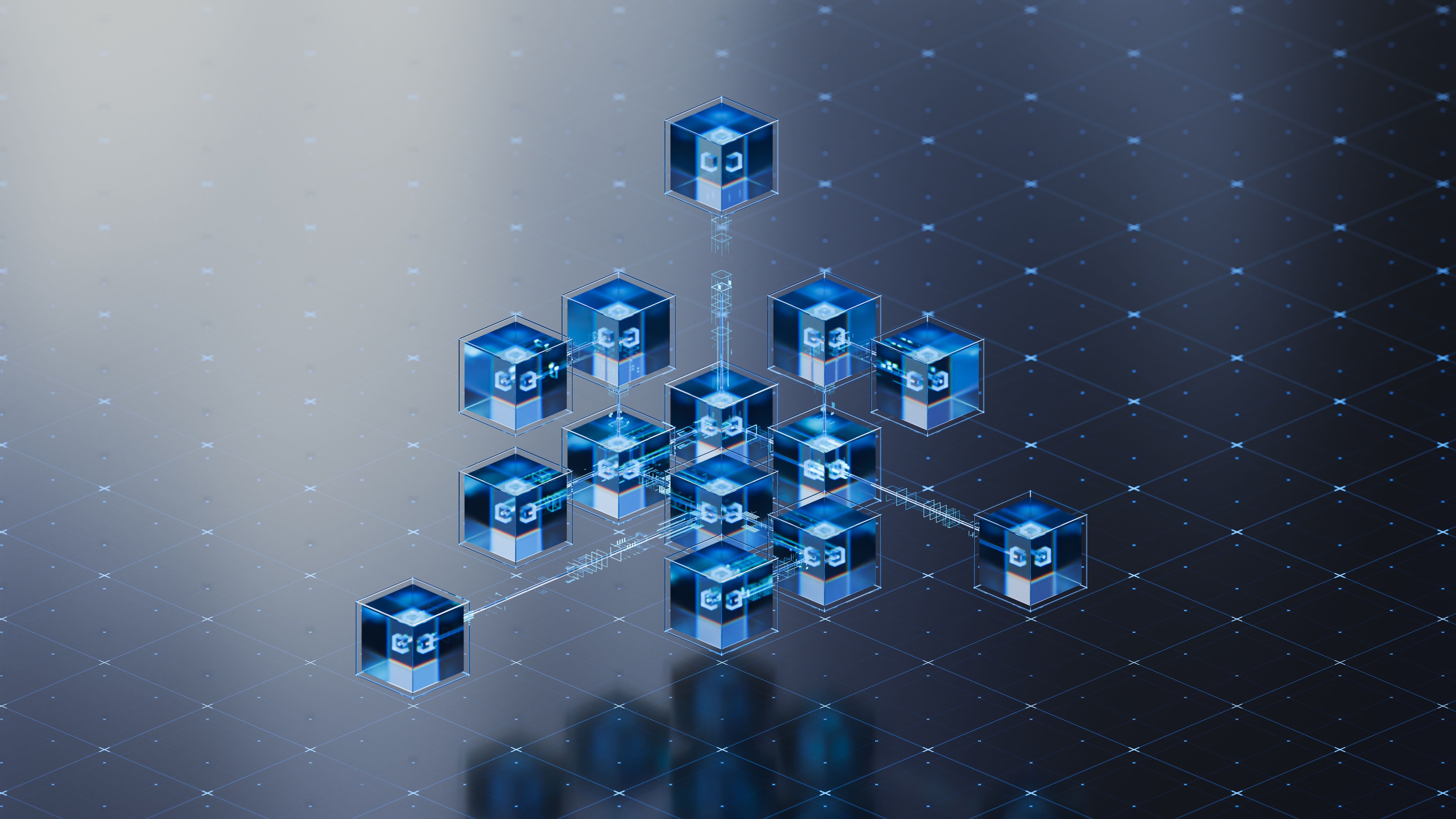
Decentralized platforms are built on a network of nodes, each playing a crucial role in maintaining the system. These nodes can be thought of as independent servers that store and verify information. A strong consensus mechanism is vital to ensure all nodes agree on the system's state, preventing data tampering. Popular consensus algorithms include Proof of Work (PoW) and Proof of Stake (PoS), each with its advantages and drawbacks.
Smart contracts are another essential component, allowing automated transactions and operations based on predefined rules. These contracts are self-executing and provide a way to enforce agreements without intermediaries.
Best Practices in Decentralized Architecture
When building a decentralized platform, security is paramount. Ensuring that data is encrypted and that nodes are regularly updated can prevent unauthorized access and vulnerabilities. Additionally, implementing a robust identity verification system helps in maintaining user trust and preventing malicious activities.

Scalability Challenges and Solutions
Scalability remains one of the most significant challenges in decentralized systems. As the number of users grows, so does the load on the network. Solutions like sharding and layer-2 protocols can help distribute the load more efficiently, allowing the system to handle more transactions without compromising performance.
Sharding involves splitting the network into smaller, manageable parts, or "shards," each responsible for processing a subset of transactions. Layer-2 solutions, such as state channels, enable off-chain transactions, reducing the burden on the main network.
Ensuring Interoperability
Interoperability between different decentralized platforms is crucial for broader adoption. Cross-chain communication protocols are being developed to allow different blockchains to interact seamlessly. This interoperability is important for users who wish to transact across various platforms without unnecessary friction.
User Experience in Decentralized Systems
While decentralized platforms offer numerous benefits, they often lag in user experience compared to centralized systems. Simplifying interfaces and improving the onboarding process are essential for attracting and retaining users. Providing comprehensive user guides and support can also enhance the overall experience.
Furthermore, ensuring that transactions are fast and cost-effective is vital. By optimizing network protocols and employing efficient consensus mechanisms, platforms can offer a smoother user experience.
Conclusion
Building a decentralized platform requires a thorough understanding of its architecture and the challenges it presents. By focusing on security, scalability, interoperability, and user experience, developers can create robust systems that offer the benefits of decentralization while meeting user expectations. As the technology evolves, staying informed about the latest advancements and best practices will be crucial for success in this dynamic field.