Developing AI-Powered Digital Asset Management Solutions: A Step-by-Step Approach


In today’s rapidly evolving digital landscape, managing a vast array of digital assets efficiently is crucial for businesses. Enter AI-powered Digital Asset Management (DAM) solutions, which are transforming the way organizations store, retrieve, and utilize their digital content. This blog post provides a comprehensive step-by-step approach to developing these cutting-edge solutions.
Understanding the Basics of Digital Asset Management
Before delving into AI integration, it’s essential to grasp what Digital Asset Management entails. DAM systems are designed to organize, store, and retrieve digital files such as images, videos, and documents. These systems ensure that assets are easily accessible and properly managed throughout their lifecycle.
Traditional DAM systems rely on manual tagging and categorization. However, with the integration of AI, these processes become automated, significantly enhancing efficiency and accuracy.

Step 1: Identifying Business Needs
The first step in developing an AI-powered DAM solution is identifying the specific needs of your business. Consider the types of digital assets you manage, the volume of these assets, and the frequency at which they are accessed. Understanding these factors will help tailor the solution to effectively meet your organization's requirements.
Conducting a thorough needs assessment will also highlight any existing gaps in your current asset management processes, paving the way for targeted improvements.
Step 2: Selecting the Right AI Technologies
AI technologies such as machine learning, computer vision, and natural language processing play a crucial role in enhancing DAM systems. Machine learning algorithms can be utilized for automatic tagging and categorization, while computer vision can analyze and identify visual content within images and videos.

Natural language processing can be leveraged to manage and retrieve textual content more effectively. Selecting the appropriate technologies based on your business needs is vital for the success of your AI-powered DAM solution.
Step 3: Designing an Intuitive User Interface
An intuitive user interface is essential for ensuring user adoption and satisfaction. The interface should be designed with the end-user in mind, providing easy navigation and quick access to digital assets. Implementing features like drag-and-drop functionality and customizable dashboards can enhance user experience.
Additionally, incorporating AI-driven search capabilities that allow users to find assets quickly through keywords or image recognition can greatly improve productivity.
Step 4: Implementing and Testing the Solution
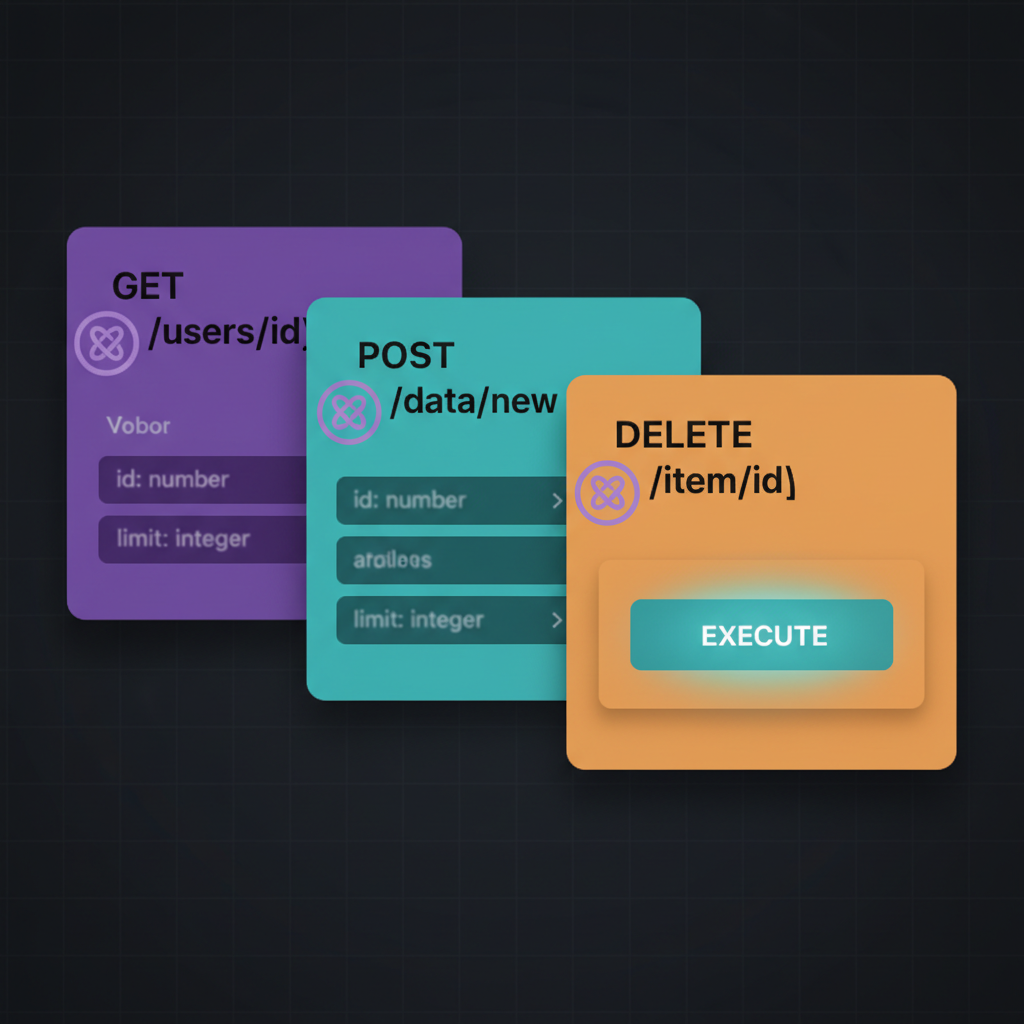
Once the design phase is complete, the next step is implementation. During this phase, integrate the chosen AI technologies with your existing systems, ensuring seamless functionality. Rigorous testing is crucial to identify and rectify any issues that may arise during implementation.
Testing should encompass various scenarios to ensure the DAM solution performs optimally under different conditions. This phase is critical to ensure that the solution meets the identified business needs and operates efficiently.
Step 5: Training and Support
Implementing a new system requires comprehensive training for all users. Developing training materials, conducting workshops, and offering ongoing support will facilitate smooth adoption. The more comfortable users are with the system, the more effectively they can leverage its capabilities.
Providing continuous support and updates ensures that the DAM solution evolves alongside technological advancements and changing business needs.
In conclusion, developing AI-powered Digital Asset Management solutions involves a strategic approach that encompasses understanding business needs, selecting the right technologies, designing an intuitive interface, and ensuring thorough implementation and support. By following these steps, organizations can enhance their digital asset management capabilities, leading to improved efficiency and productivity.