Protecting Digital Assets: A Guide to Impeccable Security Strategies


Understanding Digital Asset Security
In today’s digital age, protecting digital assets is paramount. Whether you're an individual or a business, safeguarding your digital information from unauthorized access and potential threats is crucial. Digital assets include everything from personal data and financial information to intellectual property and digital currency.

Identifying Vulnerabilities
Before implementing security strategies, it's essential to identify potential vulnerabilities within your digital ecosystem. Common vulnerabilities include weak passwords, outdated software, and unsecured networks. Conducting regular audits can help pinpoint these weaknesses, allowing you to address them promptly.
Consider employing professional cybersecurity experts to conduct comprehensive vulnerability assessments. They can provide insights into potential threats and recommend effective mitigation strategies.
Implementing Strong Password Policies
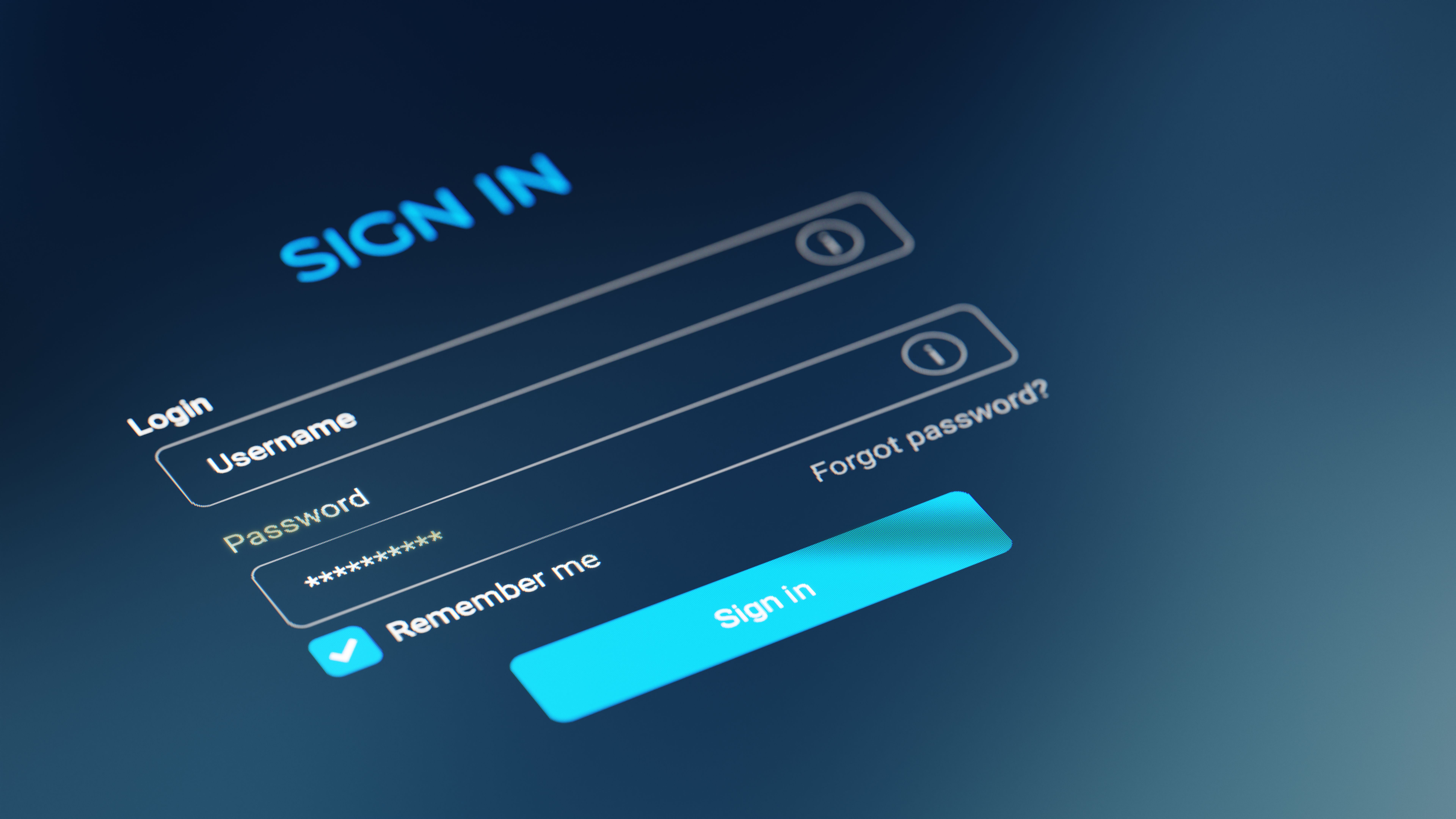
One of the simplest yet most effective ways to protect digital assets is by enforcing strong password policies. Encourage the use of complex passwords that combine letters, numbers, and special characters. Additionally, implement multi-factor authentication (MFA) to add an extra layer of security.
Regular Software Updates
Keeping software up-to-date is crucial in defending against cyber threats. Software developers regularly release updates that patch known vulnerabilities. Ensure that all systems, including operating systems and applications, are set to update automatically.
Regular updates not only protect against security threats but also improve the overall performance and functionality of your systems.
Data Encryption and Backup
Data encryption is a vital security measure that converts information into a code to prevent unauthorized access. Implement encryption protocols for sensitive data both in transit and at rest. This ensures that even if data is intercepted, it remains unintelligible.

Reliable Data Backup Solutions
Regular data backups are crucial for data recovery in the event of a cyberattack or hardware failure. Utilize reliable cloud-based backup solutions that offer automated backup features. This not only secures your data but also provides easy access from anywhere.
Ensure that backup data is also encrypted and stored securely to prevent unauthorized access.
Employee Training and Awareness
Human error is a significant factor in many security breaches. Conduct regular training sessions to educate employees about cybersecurity best practices, such as recognizing phishing attempts and handling sensitive information securely.

Establishing a Security Culture
Fostering a culture of security within your organization can greatly enhance your digital asset protection efforts. Encourage open communication about security concerns and promote a proactive approach to identifying and mitigating potential threats.
By embedding security into the organizational culture, employees become active participants in maintaining a secure digital environment.