Protecting Digital Assets: Strategies for Robust Security and Compliance


Understanding the Importance of Digital Asset Security
In today’s digital landscape, protecting digital assets is crucial for businesses of all sizes. Digital assets include anything from customer data to intellectual property and financial information. Without proper security measures, these assets are vulnerable to cyber threats, which can lead to significant financial and reputational damage.

Key Strategies for Digital Asset Protection
Implementing Robust Access Controls
Access control is a fundamental aspect of digital asset security. By implementing strong access controls, organizations can ensure that only authorized personnel have access to sensitive information. This involves setting up multi-factor authentication, role-based access controls, and regular audits to monitor access patterns.
Data Encryption
Data encryption is essential for protecting information both in transit and at rest. By encrypting data, businesses can significantly reduce the risk of unauthorized access. Encryption transforms readable data into an unreadable format, ensuring that even if data is intercepted, it cannot be easily understood.

Ensuring Compliance with Regulations
Understanding Regulatory Requirements
Businesses must be aware of the regulatory requirements applicable to their industry, such as GDPR, HIPAA, or CCPA. Compliance with these regulations not only protects digital assets but also helps avoid hefty fines and legal consequences. Regular training and updates for employees about these regulations are crucial for maintaining compliance.
Conducting Regular Security Audits
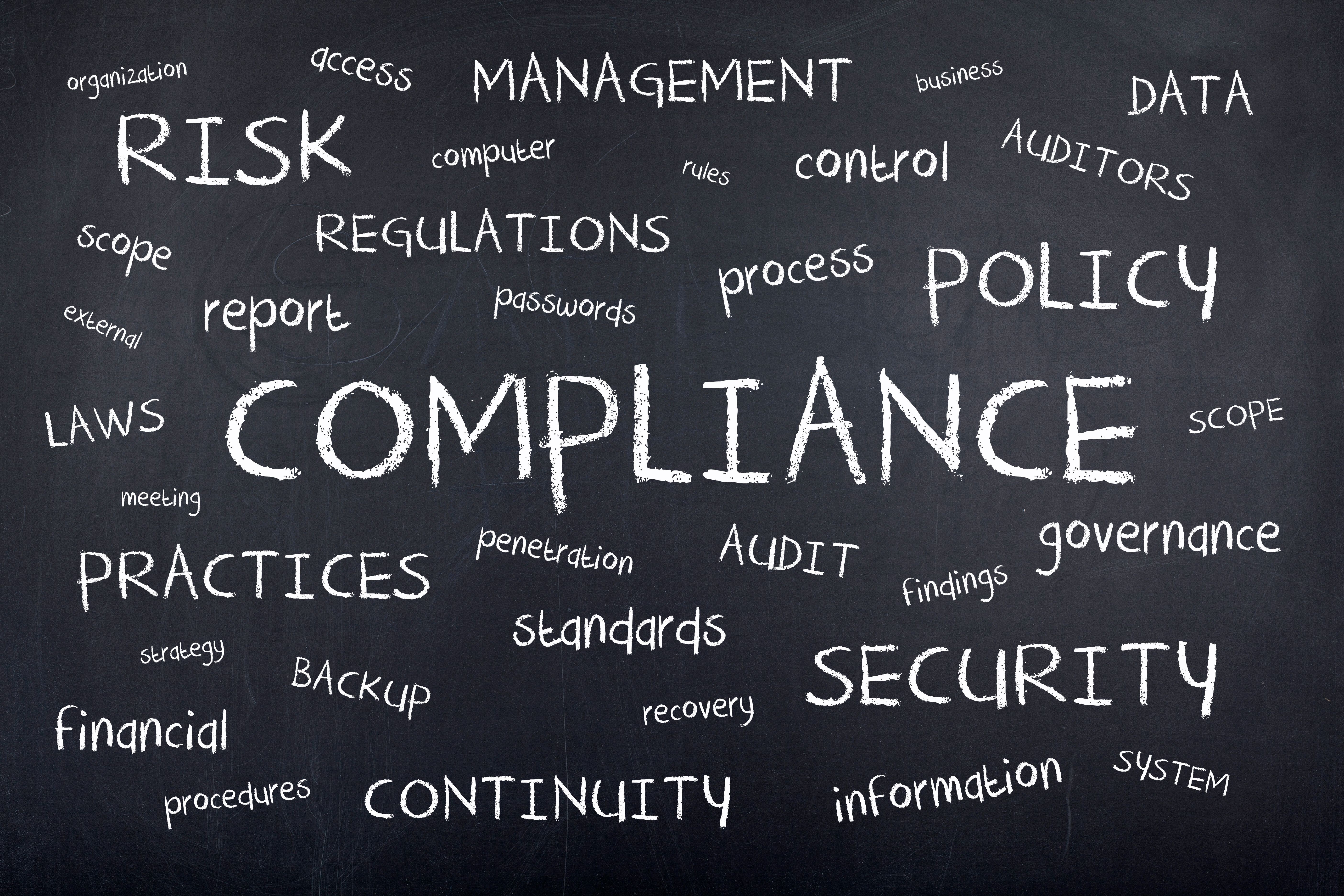
Regular security audits are vital for identifying vulnerabilities and ensuring compliance with industry standards. Audits provide insights into potential weaknesses and help businesses develop strategies to address them. Partnering with third-party experts can offer an unbiased perspective on the effectiveness of current security measures.
Building a Culture of Security Awareness
A culture of security awareness among employees is critical for safeguarding digital assets. Training programs and workshops can educate staff about the latest security threats and best practices for preventing breaches. Encouraging vigilance and reporting suspicious activity can greatly enhance an organization’s security posture.
Investing in Advanced Security Technologies
Leveraging advanced security technologies, such as artificial intelligence and machine learning, can significantly enhance an organization’s ability to detect and respond to cyber threats. These technologies can analyze patterns and behaviors to identify anomalies, providing real-time alerts and automated responses to potential breaches.

Conclusion
Protecting digital assets requires a comprehensive approach that combines robust security measures, compliance with regulations, and a culture of awareness. By investing in the right strategies and technologies, businesses can safeguard their valuable assets against evolving cyber threats, ensuring long-term success and trust with their customers.