Protecting Digital Wealth: Best Practices for Asset Security in Blockchain


Understanding Digital Wealth in Blockchain
As the world increasingly shifts toward digital solutions, the concept of digital wealth has gained significant traction. Blockchain technology, with its decentralized nature, offers a unique way to manage and secure digital assets. However, this digital transformation also brings new challenges in asset protection.
Importance of Securing Digital Assets
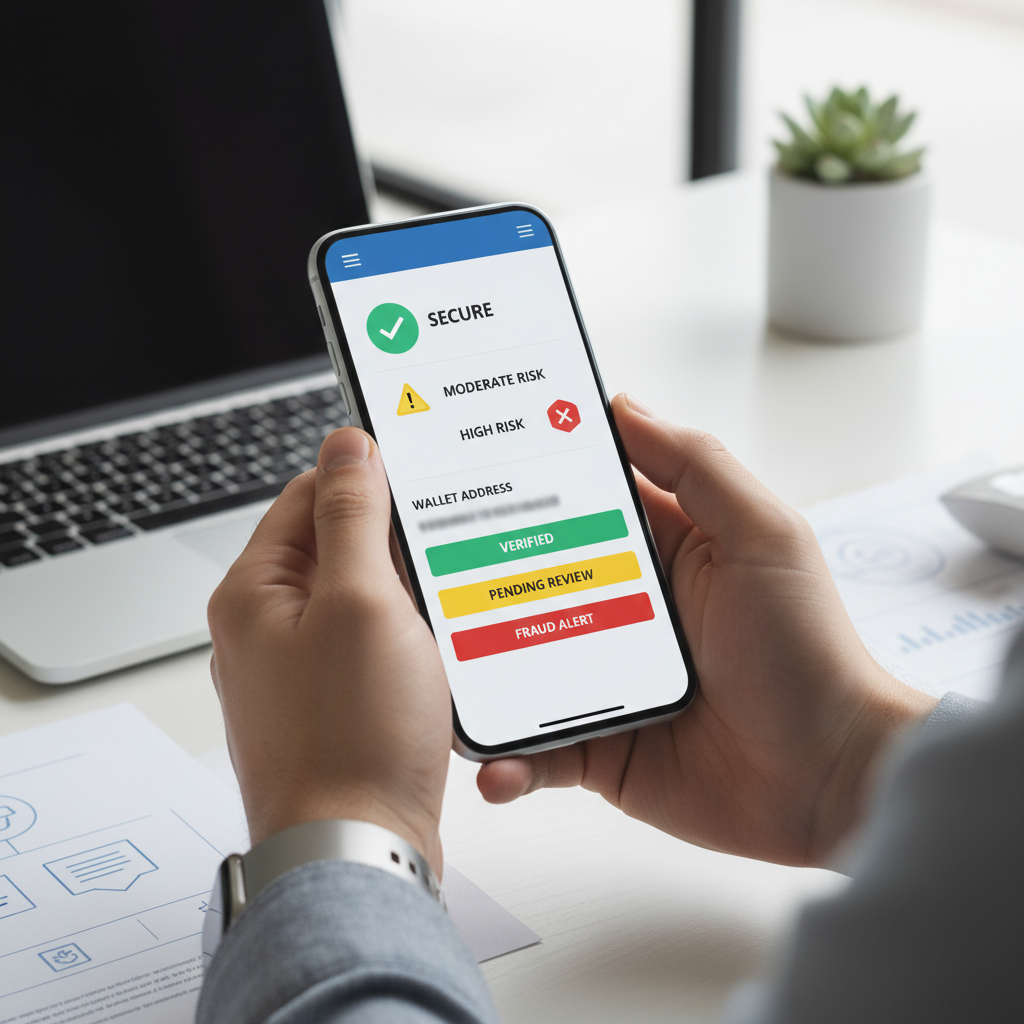
Protecting digital wealth is crucial to prevent unauthorized access and potential losses. In the blockchain ecosystem, security breaches can result in the permanent loss of assets, as transactions are irreversible. Therefore, implementing robust security measures is essential for any blockchain participant.
Use Strong Passwords and Two-Factor Authentication
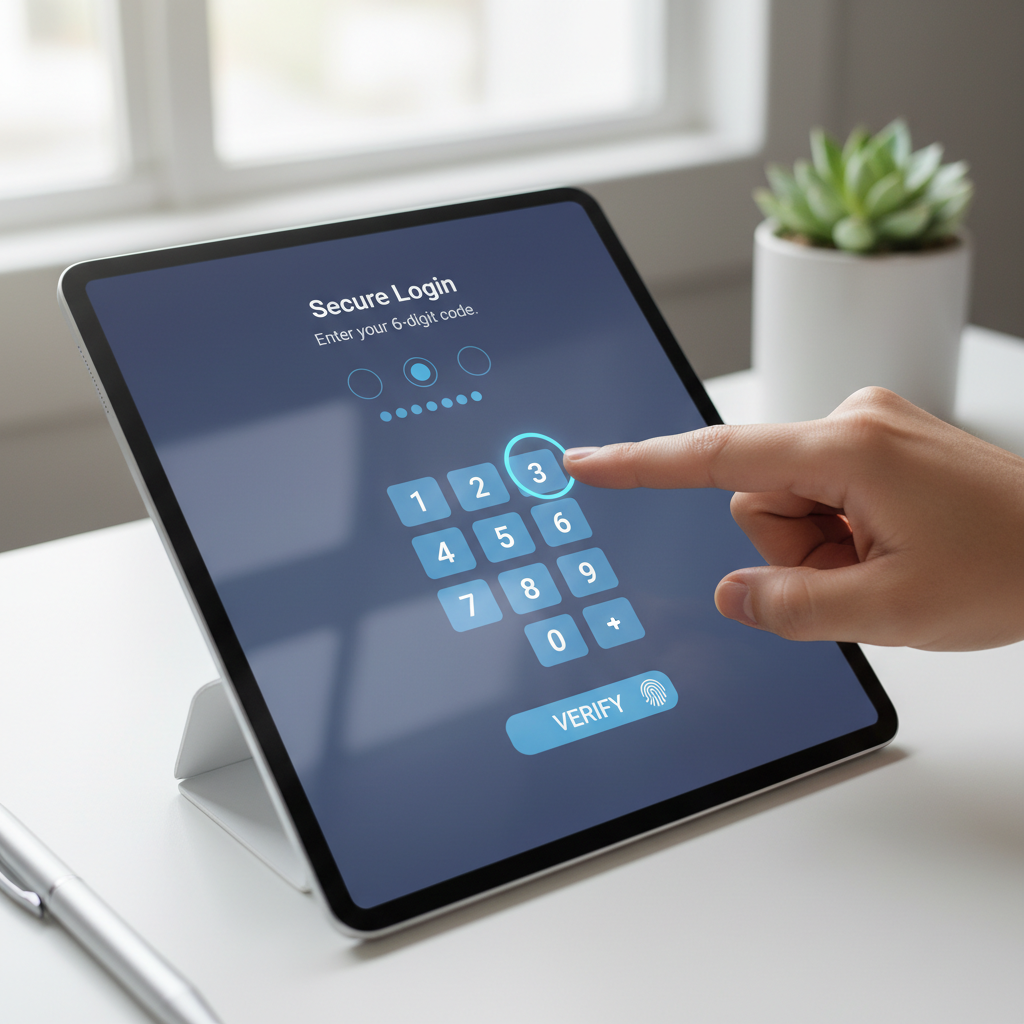
One of the foundational steps in securing digital assets is using strong passwords. Combine upper and lower case letters, numbers, and special characters to create a complex password. Additionally, enabling two-factor authentication (2FA) adds an extra layer of security, ensuring that even if your password is compromised, your assets remain protected.
Secure Private Keys
Your private key is your digital signature, granting access to your blockchain assets. Never share your private key with anyone. Store it in a secure location, preferably offline, to mitigate the risk of hacking. Consider using hardware wallets, which provide offline storage and are immune to online threats.
Regular Software Updates
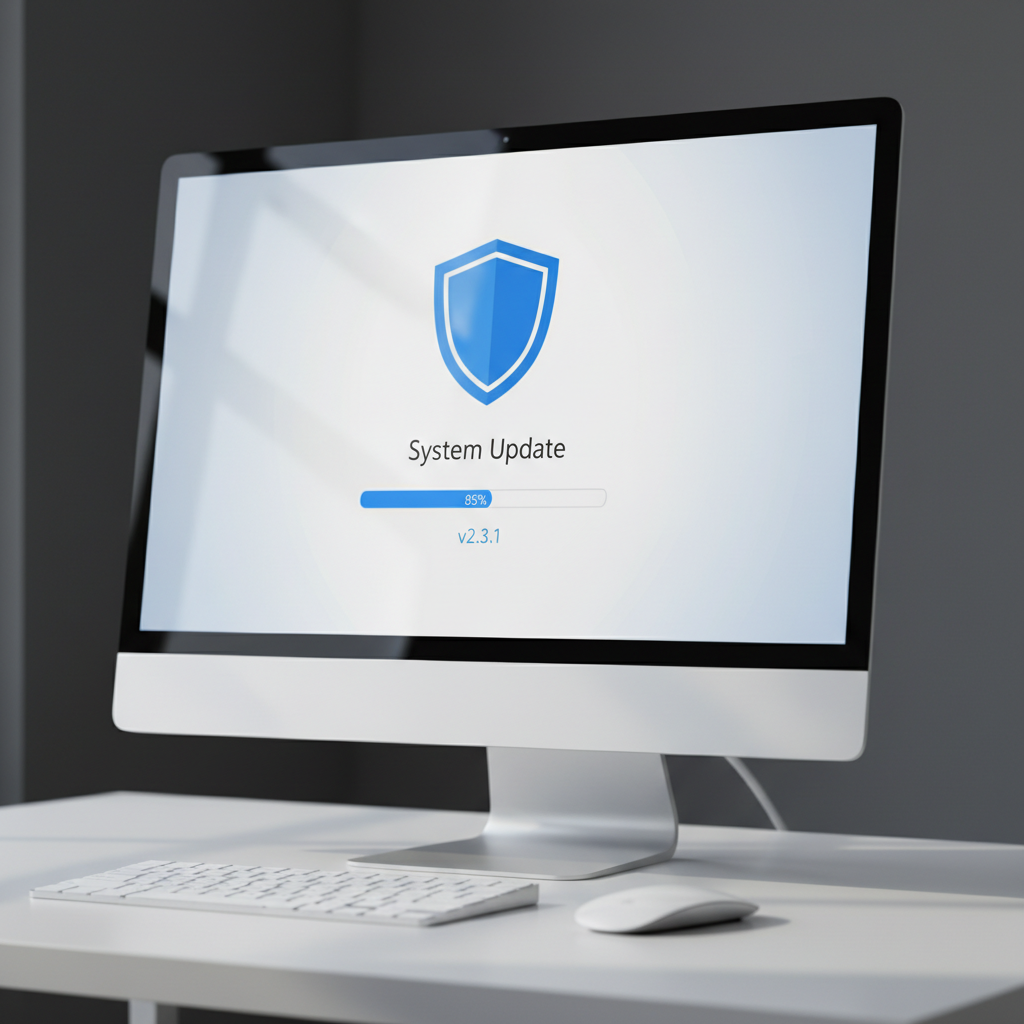
Keeping your software up to date is vital in defending against vulnerabilities. Blockchain developers frequently release updates to patch security holes. Regularly updating your software ensures that you have the latest security features and protections against emerging threats.
Implement Cold Storage
Cold storage refers to storing digital assets offline. This method is one of the most secure ways to protect your wealth from online attacks. Devices like USB drives or paper wallets can be used for cold storage, minimizing exposure to cyber threats.
Educate and Train Yourself
Staying informed about the latest security practices is crucial. Regular training and education can help you identify potential threats and adapt to the evolving landscape. Join forums, attend webinars, and read up on the latest in blockchain security to keep your knowledge current.
Conduct Regular Security Audits
Regularly auditing your security measures is a proactive way to identify weaknesses. Consider hiring cybersecurity experts to perform comprehensive audits and provide recommendations. This practice can help you stay one step ahead of potential attackers.

Conclusion
Securing digital wealth in the blockchain world requires a combination of strong passwords, secure private key management, regular updates, and ongoing education. By implementing these best practices, you can significantly reduce the risk of asset loss and ensure the longevity of your digital investments.