Tokenization of Real-World Assets: Unlocking New Value


Introduction to Tokenization
The concept of tokenization has gained significant traction in recent years, especially as blockchain technology continues to evolve. Tokenization refers to the process of converting rights to a real-world asset into a digital token on a blockchain. This innovative approach has the potential to revolutionize how we perceive and interact with assets, creating new opportunities for investors and businesses alike.
By representing real-world assets digitally, tokenization can unlock unprecedented levels of liquidity, accessibility, and transparency. This transformation is not limited to financial markets; it extends to various asset classes, including real estate, art, and commodities.

The Benefits of Tokenizing Real-World Assets
Enhanced Liquidity
One of the most significant advantages of tokenization is enhanced liquidity. Traditionally, assets like real estate or fine art are considered illiquid, meaning they cannot be easily bought or sold. Tokenization changes this by allowing fractional ownership, enabling investors to buy and sell small portions of an asset, thus increasing market liquidity.
Increased Accessibility
Tokenization democratizes access to investment opportunities. By lowering the barrier to entry, individuals who previously could not afford to invest in high-value assets can now participate. This inclusivity fosters a more diverse investor base and opens up new capital sources for asset owners.

Transparency and Security
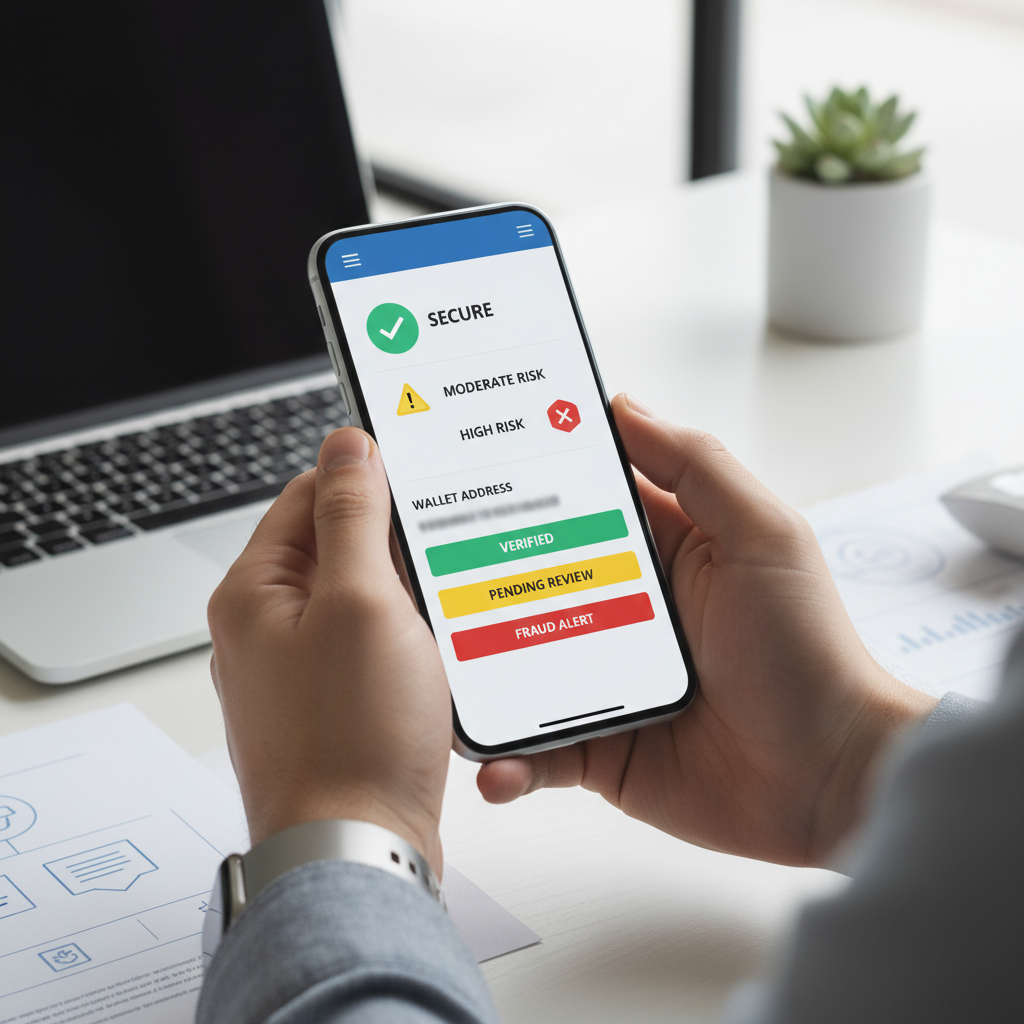
Blockchain technology underpins the tokenization process, ensuring that transactions are transparent and secure. Each transaction is recorded on an immutable ledger, providing a clear and verifiable history of ownership. This level of transparency reduces fraud and increases trust among investors and stakeholders.
Moreover, smart contracts automate processes such as dividend payments and ownership transfers, minimizing the need for intermediaries and reducing operational costs.
Challenges in Tokenization
Regulatory Concerns
Despite its potential, tokenization faces regulatory challenges. The legal framework surrounding digital assets is still evolving, and navigating these regulations can be complex. Compliance with existing securities laws is essential to ensure the legitimacy and longevity of tokenized assets.
Technological Hurdles
Implementing a secure and efficient tokenization system requires advanced technology and expertise. Issues such as interoperability between different blockchain platforms and scalability must be addressed to ensure the widespread adoption of tokenized assets.

The Future of Asset Tokenization
As the technology matures and regulatory frameworks become clearer, the tokenization of real-world assets is expected to become more mainstream. This shift will not only redefine traditional asset management but also create new markets and investment products.
By embracing tokenization, businesses and investors can unlock new value from existing assets, leading to a more dynamic and inclusive financial ecosystem. As we look ahead, the potential for growth and innovation in this space appears boundless.